
Did Our Grandparents Really Have Better Immunity?
- Radha Sekharamantry

- Feb 17
- 5 min read

Every family’s got that person who loves to remind you,
“We never got sick like this when we were young.”
No supplements, no strict eating rules, no chatter about gut health. They just ate whatever landed on the table, played outside till dark, went to bed early, and got on with their lives.
And now, look at us. We count every gram of protein, bounce between keto and vegan, skip meals for intermittent fasting, gulp down green juices—and somehow, we’re still getting colds, feeling wiped out, or sneezing through allergies.
So what’s actually changed?
Did our immunity really get weaker?
The truth isn’t all that mysterious.
Immunity Is Not Strength. It Is Training.
Our grandparents weren’t born with magic immune systems. They just got a different kind of training. They spent their childhoods digging in the dirt, running around outside, hanging out with animals, eating home-cooked food, and grabbing bites of fermented stuff like curd or pickles.
Right from the start, their bodies met all sorts of harmless germs. All that early messiness taught their immune systems when to chill and when to fight back.
But here’s something you can’t skip:
Before vaccines and antibiotics, a lot of kids didn’t make it through the nasty infections. Today, vaccines save millions every year. Modern medicine protects us in ways our grandparents couldn’t even imagine.
It’s not about who had it better or worse. It’s just a different world.
Your Gut: The Hidden Immune Teacher
Now, let’s talk about your gut—the silent coach for your immune system.
Scientists figured out most of your immune power is linked to your gut. Trillions of microbes live inside you, helping you digest food but, even more, teaching your immune system how to handle itself.
Eat plenty of veggies, fruits, whole grains, and fermented foods, and your gut bugs are happy. Researchers saw people who added more fermented foods had lower inflammation and better gut bacteria in just a few weeks.
But when your diet’s full of processed food and sugar, your gut loses its variety. That’s when your immune system gets confused—it overreacts (think allergies, autoimmune flares) or slacks off when it’s needed.
So immunity isn’t about popping vitamins or chasing the latest trend. It’s about looking after the tiny life inside you.
What About Modern Diet Trends?
Today we don’t just eat food; we follow trends.
Keto
Intermittent fasting
Plant-based
High-protein
Detox cleanses
Some of these can help when done properly. Low-carb diets can improve blood sugar control. Intermittent fasting may reduce inflammation. Plant-based diets often support gut health.
But problems start when we go to extremes. Cutting too much fiber can starve gut microbes. Skipping meals without proper nutrition can stress the body, and juice cleanses without protein can weaken immune cell production.
Your immune system likes balance.
Not extremes, fear, or obsession.
Just regular, nourishing food.
The Genetics Question
Sometimes people say, “Maybe they just had stronger genes.” But human genes do not change much in just two or three generations. Our DNA is largely the same as our grandparents’.
What changes quickly is how our genes behave. This is called epigenetics.
Factors like food, stress, sleep, pollution, and lifestyle can switch certain immune-related genes on or off—without changing the DNA itself.
If stress stays high for long periods, inflammation-related genes may stay active. If we eat fiber-rich foods, anti-inflammatory pathways become stronger. If children are exposed safely to natural environments early in life, their immune system learns better balance.
Genes hand you the basic blueprint. Your choices decide how it gets used.
So no, we didn’t lose “good genes.”
We’re just sending them new instructions.
The Real Difference Between Generations
Older generations had:
More time outdoors
More contact with dirt and nature
Less processed food
More daily movement
Better sleep habits
Stronger community connections
What we’ve got:
Better healthcare
Longer lives
More processed food
More stress
Less time outside
More screens
No point blaming the present. It’s about understanding and finding your own balance.
So, how do you start?
You don’t need a time machine. Just make a few smarter choices:
Eat lots of veggies and whole foods.
Add in fermented foods, like curd or buttermilk.
Cut back on ultra-processed stuff and sugar.
Move every day; even a walk counts.
Get good sleep.
Tackle stress however you can.
Spend some time outdoors, safely.
Use antibiotics only when you really need them.
You don’t “boost” immunity. You look after it every single day.
So, here’s the simple truth: Our grandparents weren’t superhuman, and we’re not weak. The immune system just adapts to whatever world it’s in. When the world changes, your immunity changes too.
And the best part?
You can shape your world again.
Balance isn’t lost.
It’s just waiting for you to bring it back.
Author’s Note
When I started writing this, I realized I was making the past sound better than it probably was. It’s tempting to believe people back then were just tougher. But science tells a different story—it’s more complicated than that.
Our immunity shows up in the way we live: what we eat, how much stress we take on, how well we sleep, and the places we spend our time. Chasing some version of the “good old days” doesn’t really help. What matters is learning from them.
If you should remember anything from this piece, it’s this: the little routines you stick to every day count way more than any big, sudden change.
Balance sneaks up on you. It’s built quietly, in the background.
Disclaimer: This article is for educational and informational purposes only. It is not intended to replace professional medical advice, diagnosis, or treatment. Individual health conditions vary, and readers should consult a qualified healthcare professional before making significant dietary or lifestyle changes.
References
1. The gut microbiota shapes intestinal immune responses during health and disease, Nature Reviews Immunology, https://www.ncbi.nlm.nih.gov/pmc/articles/PMC3337124/
2. Role of the microbiota in immunity and inflammation, Cell, https://www.ncbi.nlm.nih.gov/pmc/articles/PMC4034515/
3. Fermented foods, microbiome diversity, and inflammation (Stanford Study), Cell (2021), https://www.ncbi.nlm.nih.gov/pmc/articles/PMC8766670/
4. Diet and immune function, Nutrients (2018), https://www.ncbi.nlm.nih.gov/pmc/articles/PMC6164673/
5. Ultra-processed food intake and inflammatory markers, BMJ, https://bmjopen.bmj.com/content/10/12/e040421
6. Western diet and immune system dysregulation, Frontiers in Immunology, https://www.frontiersin.org/articles/10.3389/fimmu.2019.02045/full
7. Effects of intermittent fasting on health, aging, and disease, New England Journal of Medicine (open summary available via NIH), https://www.ncbi.nlm.nih.gov/pmc/articles/PMC6836141/
8. Intermittent fasting and immune system modulation, Nutrients (2020), https://www.ncbi.nlm.nih.gov/pmc/articles/PMC7071223/
9. Epigenetics in immune system development and function, Frontiers in Immunology, https://www.frontiersin.org/articles/10.3389/fimmu.2018.01522/full
10. Environmental influences on epigenetics and immunity, Clinical Epigenetics, https://clinicalepigeneticsjournal.biomedcentral.com/articles/10.1186/s13148-018-0498-7
11. The Hygiene Hypothesis and its relevance to allergic diseases, Clinical & Experimental Allergy, https://www.ncbi.nlm.nih.gov/pmc/articles/PMC4966430/
12. Early-life microbial exposure and immune development, Nature Reviews Immunology, https://www.ncbi.nlm.nih.gov/pmc/articles/PMC5816575/
13. Ten threats to global health (WHO report), World Health Organization, https://www.who.int/news-room/spotlight/ten-threats-to-global-health-in-2019
14. Immunization coverage and impact, World Health Organization, https://www.who.int/news-room/fact-sheets/detail/immunization-coverage
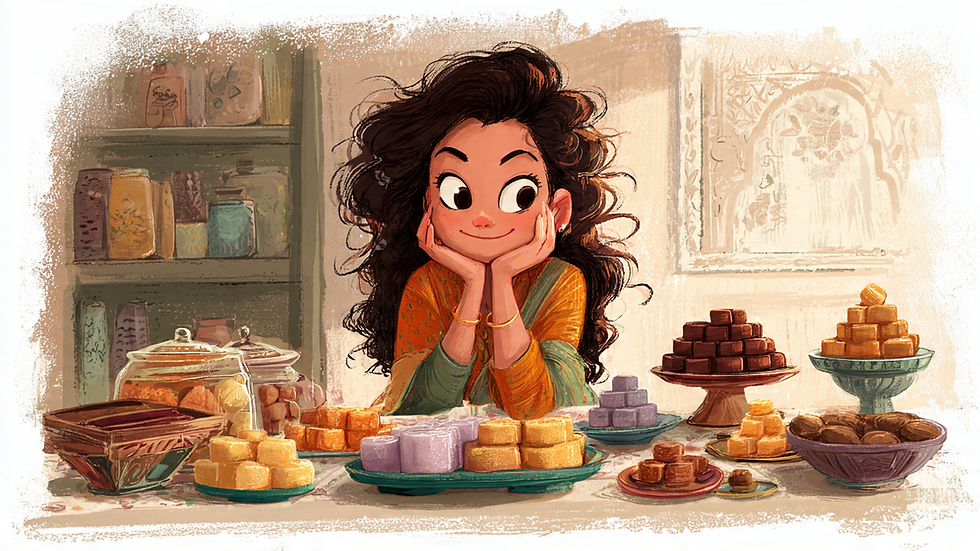
Image Source: Generated using Whisk on Imagen for better resonance with the blog content.


Very good analysis of past and present generations and their life styles. Epigenetics calls for changes in life or eating script. Very scientific and realistic message. Very useful in giving clarity on the subject.
Excellent and thought-provoking article! You’ve explained the topic so clearly and balanced tradition with science beautifully. Really insightful and well-written.